
From £3,000 per eye · complimentary assessment
Combining extensive clinical expertise with advanced treatment technology, The Harley Street Eye Centre provides a personalised approach to lens replacement surgery, vision correction and long-term eye health.
Posted on Google
 Mahbubur K
Trustindex verifies that the original source of the review is Google.
PROFESSIONAL WORK EXCELLENT CUSTOMER SERVICE ALL THE TIME OF CAME TO CHECKUP MY EYE .Posted on Google Yasin AI recently took my mum to the Harley Street Eye Centre, and I honestly cannot praise them enough. She was quite hesitant about going when it comes to your eyes, you don’t take any chances, and you need to be in the hands of people you can truly trust. From the moment we walked in, any nerves she had just melted away. The staff were incredibly professional, warm, and reassuring throughout the entire experience. They made my mum feel completely at ease, which for someone who was apprehensive about an eye appointment, meant the world to us. Nothing felt rushed, and you could tell they genuinely cared about their patients. They examined her thoroughly, gave a clear diagnosis, and sorted the issue without any fuss. The whole process was smooth, straightforward, and stress-free from start to finish. If you or a loved one are looking for an eye clinic where you’ll be treated with the utmost care and expertise, look no further than the Harley Street Eye Centre. Absolutely first class. We’ll be coming back without hesitation.Posted on Google
 Pablo KGood staff amazing customer servicePosted on Google
 Robynne HI had a great experience with this clinic from start to finish. The whole team were friendly, helpful, supportive, and incredibly professional throughout the process. They gave me all the information I needed and seemed to be very thorough during the assessment, which made me feel confident and well informed before going ahead with treatment. During the laser eye surgery itself, I felt completely reassured and in highly professional hands. The staff were calm, supportive, and talked me through everything, which really helped put me at ease. I’m over 40 and had an over/under correction approach to hopefully reduce the need for reading glasses in the future, and the team explained everything clearly so I felt comfortable with the decision. Just a few days after my LASIK treatment, I already have better than 20/20 vision and it’s crazy to see everything in what feels like HD. I also have thin corneas, so I wasn’t sure if I’d even be suitable for surgery, which makes the outcome even more amazing for me. I’m pleased I decided to go ahead with the procedure and would highly recommend this clinic to anyone considering laser eye surgery.Posted on Google
 Jill SI was recommended to The Clinic from a good friend and felt so relieved when I met with all the staff they treated me so well and with a very professional attitude which answered and gave me the confidence to have the surgery I needed. Thank you all for looking after me.Posted on Google
 Akram BDoctor Marwan is truly a dedicated ethical doctor who seeks the wellbeing of his patients I have been under his care for over 2 years and he has been treating me for my glaucoma and I now my vision is perfect . His staff is also very responsive and professional I will refer all my friends and family to him .Posted on Google
 Sana AI underwent LASIK surgery at Harley Street Eye Centre in March and would like to share my very positive experience. The entire process was handled with a high level of professionalism and care. Dr Ghabara, who performed my surgery, demonstrated exceptional expertise, and the procedure itself was smooth and remarkably efficient. The overall experience was excellent. I would also like to acknowledge Dr Hakam, who served as client coordinator and ensured that every stage of the process was clearly explained and well organised. In addition, April and Amanda at reception provided consistently courteous and attentive service, contributing to a welcoming and well-managed environment. I am particularly pleased to report that my recovery has been entirely uneventful, with no issues following the LASIK procedure, and I am extremely satisfied with the outcome. I would confidently recommend Harley Street Eye Clinic to anyone considering laser eye surgery.Posted on Google
 Antonio BI had an excellent experience at The Harley Street Eye Centre with the Mr Marwan Ghabra, Dr Hakam and all team of the Clinic. Dr Gnabra has a lot of knowledge and experience. I had LRE - Refractive Lens Exchange - Bilateral - LA surgery and the exams and surgery was with care, comfortable and no stress at all. High recommended. Thanks to entire team of The Harley Street Eye Centre.Posted on Google
 Philip HAfter so much research , Finally i found Mr Ghabra.and the team Here i was educated about my concerns for cataract Surgery and decided this was the Surgeon so placed my faith in Mr Ghabra at the Harley Street eye centre. My surgery was performed yesterday . Today perfect vision and no red eyes . Feel great , relieved and pround i made the decission to proceed. Thankyou
If you are experiencing cataracts, vision changes, increased dependence on glasses or contact lenses, or have been told you are not suitable for laser eye surgery, replacement lens surgery may offer an alternative approach to vision correction. By replacing the eye’s natural lens with an advanced artificial lens implant, treatment can address a range of refractive and age-related vision changes while supporting long-term visual function.
At The Harley Street Eye Centre, we believe exceptional eye care begins with careful assessment and personalised treatment planning. From consultation through to treatment and follow-up care, our approach is centred on transparency, safety and high clinical standards.
Lens replacement surgery is a lens-based procedure that involves replacing the eye’s natural lens with an advanced artificial lens implant.
Treatment may be performed to address cataracts, refractive errors and age-related vision changes, depending on your individual needs and stage of life.
At The Harley Street Eye Centre, lens replacement surgery includes both cataract surgery and refractive lens exchange (RLE). The difference lies in the state of your natural lens. Cataract surgery replaces a lens that has become stiff and cloudy and can no longer function as it once did. RLE, by contrast, is performed on a lens that has not clouded but has aged and lost the ability to focus on near objects, for patients who would rather address this than rely on reading glasses.
RLE is the fastest growing lens procedure at the centre. Many patients are choosing not to wait for a cataract to develop before replacing their lenses, preferring to address their presbyopia now.
The procedure can help address a range of visual concerns, including cataracts, presbyopia, high hyperopia (long-sightedness), high myopia (short-sightedness) and, in some cases, early lens changes or increasing dependence on glasses.
By selecting an intraocular lens tailored to your prescription, visual needs and lifestyle, treatment can help improve distance, intermediate and/or near vision, depending on the lens technology chosen. Lens replacement surgery is typically performed as a day procedure, with one eye usually treated at a time.
Lens replacement surgery is typically considered when age-related changes affect the natural lens. For patients with cataracts, the procedure replaces the clouded lens to address symptoms such as blurred vision, reduced night vision and difficulty with near tasks. For patients without cataracts, refractive lens exchange (RLE) replaces the natural lens to address the age-related loss of near focus associated with presbyopia.
You may identify with some of the following:
Lens replacement surgery can address a range of refractive and age-related vision changes, particularly in patients seeking an alternative to glasses, contact lenses or laser eye surgery.
Cataracts
Lens replacement surgery may be considered for patients with early or developing cataracts affecting visual quality. Replacing the cloudy natural lens can help improve clarity while also addressing refractive needs.
High Hyperopia (Long-Sightedness)
Patients with high hyperopia may not always be ideal candidates for laser eye surgery. Lens replacement surgery can provide a lens-based approach to correcting higher degrees of long-sightedness while reducing dependence on glasses or contact lenses in suitable patients.
Presbyopia
Presbyopia is the age-related decline in near vision that commonly develops from the mid-40s onwards. If you are finding yourself increasingly dependent on reading glasses, bifocals or varifocals, lens replacement surgery may help address distance, intermediate and near vision needs, depending on the lens option selected.
We offer two main types of lens replacement surgery:
01
Cataract surgery is performed when the eye’s natural lens becomes cloudy or opaque, affecting visual clarity and quality of life. The procedure involves removing the cloudy natural lens and replacing it with a clear artificial lens implant. Lens selection is tailored to your eyes, prescription and visual priorities. Depending on suitability, options may include standard monofocal lenses or advanced premium lenses designed to support clearer vision across one or more distances.
02
Refractive Lens Exchange (RLE) is a lens-based vision correction procedure often considered by patients over 45 who are becoming increasingly reliant on glasses, particularly for reading, close work or multifocal prescriptions.
Using techniques similar to cataract surgery, the eye’s natural lens is replaced with a carefully chosen artificial lens implant before cataracts develop. By selecting a lens matched to your prescription, lifestyle and visual goals, RLE aims to improve visual freedom and reduce dependence on glasses for suitable candidates.
Hear directly from patients whose lives were changed by surgeon-led care at The Harley Street Eye Centre.
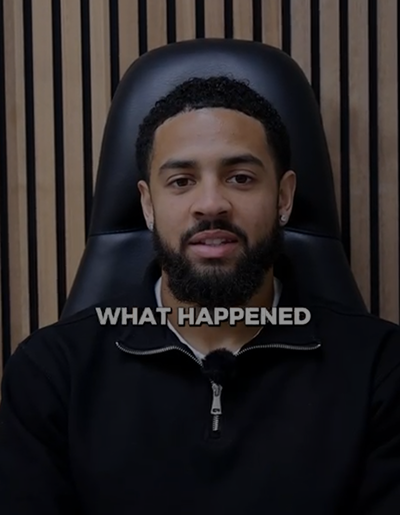
Cadell
Laser Eye Surgery
“This surgery changed my life , it was like night and day. I was back to playing football like nothing happened.”

Joel
Laser Eye Surgery
“I literally woke up the next morning and could see , it was just like nothing had ever happened.”
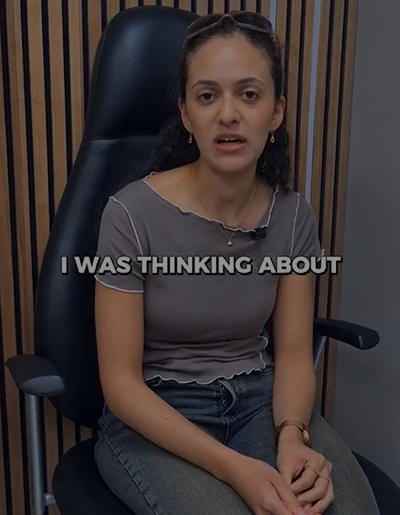
Amira
Laser Eye Surgery
“My questions were answered. I felt a lot more comfortable and I didn’t feel like I was ever rushed or pressured into making the decision.”

Sharon
Laser Eye Surgery
“I thought that was it… And once I saw him — oh my God, it was like… I said to him, you’re like my guardian angel. Because I just felt safe. I actually felt safe in his hands.”
Lens replacement surgery may offer a range of visual and lifestyle benefits for suitable patients, particularly those experiencing age-related vision changes, cataracts or increasing dependence on glasses.
Potential benefits may include:
The benefits of lens replacement surgery vary from person to person. During your consultation, your surgeon will assess your eyes, prescription, visual goals and suitability to help determine whether lens replacement surgery is an appropriate option for you.
Lens replacement surgery may be suitable for patients experiencing age-related vision changes, cataracts or increasing dependence on glasses or contact lenses. Many suitable candidates are over 45 and may be seeking a long-term approach to vision correction for concerns such as presbyopia, higher prescriptions or reduced visual clarity caused by cataracts.
Factors such as your prescription, eye health, retinal health, corneal measurements, lifestyle needs and visual goals all play an important role in determining suitability. A detailed consultation with our team of leading eye specialists will determine whether lens replacement surgery is appropriate for you.
From your first enquiry through to surgery and postoperative care, we aim to make the treatment process informative, personalised and supportive. Here is what you can expect throughout the treatment process:
01
Getting started is straightforward. You can contact our clinic directly or book your complimentary consultation online, and our team will guide you through the next steps. Before your appointment, our team may ask a few preliminary questions about your vision, current prescription, glasses or contact lens use, eye history and treatment goals so we can prepare for your appointment. Flexible scheduling and same-day consultations may also be available where possible.
02
Your consultation includes a comprehensive one-to-one assessment with one of our experienced eye specialists, who will review your eye health, vision, symptoms, previous treatments and lifestyle needs. Using advanced diagnostic technology—including detailed vision testing, eye health examination, corneal mapping, biometric measurements, Oculus AXL Pentacam imaging, iTrace visual analysis and any additional scans where clinically appropriate—we build a detailed understanding of your eyes to determine your suitability for treatment and support precise intraocular lens selection.
03
Following your assessment, your specialist will explain the findings and recommend the most appropriate treatment based on your prescription, eye measurements, visual goals and lifestyle. They will discuss your lens options—including monofocal, premium or carefully planned mixed lens approaches—along with the expected outcomes, benefits, limitations, potential risks, recovery timeline, follow-up care, fees and finance options, giving you the information you need to make a confident, informed decision.
04
Lens replacement surgery is usually performed as a day procedure, with one eye treated at a time. Before surgery, your measurements and treatment plan are carefully reviewed, and after your procedure you will receive structured follow-up care, including review appointments, guidance on eye drops and recovery, advice on returning to daily activities, and ongoing support from our clinical team. Careful planning and attentive aftercare are essential to achieving the best possible visual outcome.
Lens replacement surgery is a commonly performed procedure, but as with any surgical treatment, it carries potential risks and complications. While most patients recover well, outcomes can vary depending on individual eye health, prescription and the lens selected.
Potential risks may include:
The cost of lens replacement surgery starts from £3,000 per eye and varies depending on your individual treatment plan, the type of intraocular lens selected and the complexity of your visual requirements. As every procedure is personalised, final pricing is confirmed following your consultation and detailed assessment.
Your treatment fee may include:
A detailed cost breakdown will be provided during your consultation, so you have a clear understanding of your recommended treatment plan. Should you decide to proceed with treatment, a £500 deposit is payable at the time of booking. To help make treatment more accessible, flexible payment plans and 0% interest finance options are also available.
At The Harley Street Eye Centre, the team is focused on taking the time to discuss suitability, expected outcomes, limitations and alternative options.

Our team of experienced eye specialists combines decades of clinical expertise with a strong commitment to innovation, precision and patient-centred care.
Founder and Medical Director, Mr Marwan Ghabra, is a highly experienced ophthalmic surgeon, medical leader and innovator with 40+ years of clinical and surgical experience. He is widely recognised for his work in corneal disease, keratoconus, cataract surgery and advanced refractive procedures, with particular expertise in complex and high-risk cases.

Advanced technology underpins every stage of lens replacement surgery at The Harley Street Eye Centre. Using the Oculus AXL Pentacam and iTrace technology, we perform detailed eye assessments to support accurate lens calculations and personalised treatment planning.
By combining advanced diagnostics with an individualised approach to lens selection, we tailor recommendations to your prescription, lifestyle and long-term visual goals.

We believe confidence in treatment begins with clear communication, careful assessment and honest clinical advice, grounded in transparency, safety and high standards of care.
Every patient receives a personalised treatment plan tailored to their eye health, prescription, lifestyle and visual goals, with clear discussion of suitability, expected outcomes, limitations and alternatives to support informed decision-making.

Mr Marwan Ghabra is the Founder and Medical Director of The Harley Street Eye Centre, where he leads a multidisciplinary team delivering advanced, consultant-led eye care across a wide range of ophthalmic subspecialties, particularly in corneal disease and keratoconus.
He is the developer of the “Ghabra Technique”, an innovative approach to keratoconus management designed to address both anterior and posterior corneal irregularities. Alongside his private practice, he continues to manage complex surgical cases within the NHS, contributes to ophthalmic innovation and clinical research, and remains actively involved in education as a lecturer, mentor and international speaker.

Lens replacement surgery involves removing the eye’s natural lens and replacing it with a clear artificial intraocular lens (IOL). In cataract surgery, the natural lens becomes cloudy, affecting vision. In refractive lens exchange (RLE), the natural lens is still clear but may no longer focus effectively due to age-related changes. In both cases, replacing the lens can improve visual clarity and reduce dependence on glasses, depending on the lens selected.
Cataract surgery treats a cloudy natural lens that is already affecting vision. Refractive lens exchange is an elective procedure typically considered by patients over 45 who wish to reduce reliance on glasses, correct presbyopia, or address refractive errors before cataracts develop. While the surgical technique is similar, the timing and treatment goals differ.
Lens replacement surgery is typically performed under local anaesthesia using numbing eye drops, sometimes alongside mild sedation or an anaesthetic injection where appropriate. Most patients report little to no pain during the procedure, although a sensation of light pressure or cool fluid is common. Mild watering, scratchiness or irritation may occur temporarily after surgery.
The procedure itself usually takes around 10 to 15 minutes per eye. Most patients spend approximately two hours at the clinic, allowing time for preparation, treatment and postoperative checks. Depending on your treatment plan, surgery may be performed on separate days or, in selected cases, on the same day.
Lens replacement surgery is often considered by patients over 45 who are experiencing presbyopia, stronger prescriptions, early lens changes or increasing reliance on glasses or contact lenses. Suitability depends on factors such as prescription, corneal measurements, retinal health, lifestyle needs and visual goals. A detailed assessment helps determine whether lens replacement surgery or an alternative treatment approach may be most appropriate.
Lens replacement surgery can address a range of refractive and age-related vision concerns, including:
Lens replacement surgery can also be an option for some patients with higher prescriptions who may not be suitable for laser vision correction.
Yes. Lens surgery can correct higher levels of short-sightedness, long-sightedness, and astigmatism, including cases where laser eye surgery may not be the preferred option. Lens selection and treatment planning are tailored to your prescription and eye measurements.
Yes, as the eye’s natural lens is replaced during lens replacement surgery, cataracts cannot later develop in that treated eye. This is one reason why refractive lens exchange may appeal to suitable patients seeking a long-term vision correction solution.
Many patients notice visual improvement within the first 24 to 48 hours, although vision may continue to settle and refine over several weeks. Temporary dryness, light sensitivity, glare or fluctuating vision can occur during early healing. Most people return to normal daily activities within a few days, with some restrictions on strenuous exercise and swimming during the recovery period.
Lens replacement procedures, including cataract surgery and refractive lens exchange, are among the most commonly performed eye surgeries worldwide. They have an established safety profile when carried out following careful assessment, accurate planning and appropriate follow-up care. As with any surgery, risks and complications can occur, and these will be discussed during your consultation.
Artificial intraocular lenses are designed to be permanent and do not age or become cloudy like natural lenses. Once the natural lens has been replaced, most patients experience long-term visual outcomes, and cataracts cannot develop in that eye in the future.
This depends on the lens selected. Monofocal lenses commonly provide clear vision at a single distance, meaning reading or task-specific glasses may still be required. Premium lens technologies, including EDOF, multifocal or mixed lens approaches, may reduce dependence on glasses across multiple distances for suitable patients.
Several lens technologies are available, including:
Your surgeon will discuss which options may best align with your eyes, lifestyle and visual priorities.
Many patients choose to have each eye treated separately. In selected cases, same-day bilateral treatment may be considered, depending on your eye health, treatment plan, and the surgeon’s recommendation.
At The Harley Street Eye Centre, your care is consultant-led from consultation through to surgery and follow-up. Treatment planning includes detailed imaging, advanced diagnostics, precise lens calculations and personalised lens selection tailored to your visual goals. We place strong emphasis on clear communication, realistic expectations and structured aftercare throughout your treatment journey.
Not every patient is suitable for lens replacement surgery. If lens replacement surgery is not considered the most suitable option, your specialist will explain why and discuss whether an alternative management approach, ongoing monitoring or another vision correction pathway may be more appropriate for your eyes and treatment goals.
Your lens replacement assessment is complimentary. An hour with our diagnostic team and a real conversation with the surgeon who would treat you. No obligation.