
From £600 per eye · complimentary assessment
Home to the UK’s first at-home TES treatment kit to support patients living with Retinitis Pigmentosa.
Home » Treatments » Retina Treatment » Retinitis Pigmentosa
Posted on Google
 Mahbubur K
Trustindex verifies that the original source of the review is Google.
PROFESSIONAL WORK EXCELLENT CUSTOMER SERVICE ALL THE TIME OF CAME TO CHECKUP MY EYE .Posted on Google Yasin AI recently took my mum to the Harley Street Eye Centre, and I honestly cannot praise them enough. She was quite hesitant about going when it comes to your eyes, you don’t take any chances, and you need to be in the hands of people you can truly trust. From the moment we walked in, any nerves she had just melted away. The staff were incredibly professional, warm, and reassuring throughout the entire experience. They made my mum feel completely at ease, which for someone who was apprehensive about an eye appointment, meant the world to us. Nothing felt rushed, and you could tell they genuinely cared about their patients. They examined her thoroughly, gave a clear diagnosis, and sorted the issue without any fuss. The whole process was smooth, straightforward, and stress-free from start to finish. If you or a loved one are looking for an eye clinic where you’ll be treated with the utmost care and expertise, look no further than the Harley Street Eye Centre. Absolutely first class. We’ll be coming back without hesitation.Posted on Google
 Pablo KGood staff amazing customer servicePosted on Google
 Robynne HI had a great experience with this clinic from start to finish. The whole team were friendly, helpful, supportive, and incredibly professional throughout the process. They gave me all the information I needed and seemed to be very thorough during the assessment, which made me feel confident and well informed before going ahead with treatment. During the laser eye surgery itself, I felt completely reassured and in highly professional hands. The staff were calm, supportive, and talked me through everything, which really helped put me at ease. I’m over 40 and had an over/under correction approach to hopefully reduce the need for reading glasses in the future, and the team explained everything clearly so I felt comfortable with the decision. Just a few days after my LASIK treatment, I already have better than 20/20 vision and it’s crazy to see everything in what feels like HD. I also have thin corneas, so I wasn’t sure if I’d even be suitable for surgery, which makes the outcome even more amazing for me. I’m pleased I decided to go ahead with the procedure and would highly recommend this clinic to anyone considering laser eye surgery.Posted on Google
 Jill SI was recommended to The Clinic from a good friend and felt so relieved when I met with all the staff they treated me so well and with a very professional attitude which answered and gave me the confidence to have the surgery I needed. Thank you all for looking after me.Posted on Google
 Akram BDoctor Marwan is truly a dedicated ethical doctor who seeks the wellbeing of his patients I have been under his care for over 2 years and he has been treating me for my glaucoma and I now my vision is perfect . His staff is also very responsive and professional I will refer all my friends and family to him .Posted on Google
 Sana AI underwent LASIK surgery at Harley Street Eye Centre in March and would like to share my very positive experience. The entire process was handled with a high level of professionalism and care. Dr Ghabara, who performed my surgery, demonstrated exceptional expertise, and the procedure itself was smooth and remarkably efficient. The overall experience was excellent. I would also like to acknowledge Dr Hakam, who served as client coordinator and ensured that every stage of the process was clearly explained and well organised. In addition, April and Amanda at reception provided consistently courteous and attentive service, contributing to a welcoming and well-managed environment. I am particularly pleased to report that my recovery has been entirely uneventful, with no issues following the LASIK procedure, and I am extremely satisfied with the outcome. I would confidently recommend Harley Street Eye Clinic to anyone considering laser eye surgery.Posted on Google
 Antonio BI had an excellent experience at The Harley Street Eye Centre with the Mr Marwan Ghabra, Dr Hakam and all team of the Clinic. Dr Gnabra has a lot of knowledge and experience. I had LRE - Refractive Lens Exchange - Bilateral - LA surgery and the exams and surgery was with care, comfortable and no stress at all. High recommended. Thanks to entire team of The Harley Street Eye Centre.Posted on Google
 Philip HAfter so much research , Finally i found Mr Ghabra.and the team Here i was educated about my concerns for cataract Surgery and decided this was the Surgeon so placed my faith in Mr Ghabra at the Harley Street eye centre. My surgery was performed yesterday . Today perfect vision and no red eyes . Feel great , relieved and pround i made the decission to proceed. Thankyou
If you have been diagnosed with Retinitis Pigmentosa (RP) and have been told that nothing more can be done, it may still be valuable to seek a specialist’s assessment. While there is currently no cure for RP, certain therapies aim to support retinal function and help slow the gradual progression of vision loss. By carefully assessing your condition and response to treatment, our approach focuses on helping preserve the sight you have for as long as possible.
At The Harley Street Eye Centre, we believe RP care begins with a detailed assessment, personalised treatment planning and an honest discussion about what may be achievable. From consultation through to ongoing management, our approach is designed to ensure you feel listened to, well-informed and fully supported.
Retinitis Pigmentosa is a group of inherited retinal conditions that affect the light-sensing cells at the back of the eye, known as photoreceptors. As these cells gradually deteriorate, the retina becomes less able to respond to light, leading to a slow and progressive decline in vision.
RP often begins with difficulty seeing in low light or darkness, followed by a gradual narrowing of peripheral vision. Over time, this may lead to what is commonly described as tunnel vision, where central vision remains, but side vision becomes increasingly restricted. The rate and pattern of progression can vary considerably from person to person.
As RP can be linked to many different genetic changes, it is a highly variable condition. This genetic complexity can influence how the condition develops, how quickly it progresses and which treatment or management approaches may be most appropriate.
Retinitis Pigmentosa symptoms often develop slowly over many years, and the experience can vary from person to person. For many people, the earliest sign is difficulty seeing in dim lighting or adapting to darkness.
Common symptoms of RP may include:
A specialist assessment can help confirm the diagnosis, assess the stage of the condition and identify whether any treatment or supportive management options may be suitable.
Retinitis Pigmentosa is diagnosed through a detailed assessment of your symptoms, retinal health and visual function. As RP can vary widely in its presentation and progression, an accurate diagnosis is an important step toward understanding your condition and identifying suitable management options.
At The Harley Street Eye Centre, your assessment may include a review of your symptoms, family history, medical history, and visual concerns, along with a comprehensive examination of the retina and overall ocular health.
Your diagnostic assessment may involve:


As RP is an inherited and progressive condition, a thorough assessment can help establish the stage of the condition, monitor changes over time and determine whether therapies such as TES may be appropriate for your circumstances.
There is currently no universal cure for Retinitis Pigmentosa, and because RP can be linked to many different genetic changes, no single treatment approach is suitable for everyone. However, certain therapies and supportive strategies may help preserve remaining vision, slow functional decline in some patients or support day-to-day quality of life.
Following a detailed assessment, your specialist will discuss the options most relevant to your diagnosis, symptoms, retinal function and overall eye health.
01
Transcorneal Electrical Stimulation, or TES, is a non-invasive therapy that uses gentle electrical currents to stimulate retinal activity. The treatment is designed to support remaining retinal function and may be considered for selected patients with confirmed Retinitis Pigmentosa.
TES is usually delivered using a specialist device with electrodes positioned to safely deliver low-level electrical stimulation to the eye. Suitability depends on several factors, including the stage of RP, your remaining vision, retinal health, and any other eye conditions.
02
Some people with RP may also develop other treatable eye conditions, such as cataracts or macular oedema, which can further affect vision. Identifying and managing these issues, where appropriate, may help improve visual clarity, comfort or overall eye health, even though the underlying RP condition remains.
03
Effective RP care often extends beyond treatment alone. Supportive strategies may include low-vision aids, magnifiers, high-contrast lighting, mobility support and orientation guidance to help maintain independence and confidence in daily life.
For many patients, these measures form an important part of long-term management and may be used alongside other approaches as part of a personalised care plan.
Hear directly from patients whose lives were changed by surgeon-led care at The Harley Street Eye Centre.

Cadell
Laser Eye Surgery
“This surgery changed my life , it was like night and day. I was back to playing football like nothing happened.”

Joel
Laser Eye Surgery
“I literally woke up the next morning and could see , it was just like nothing had ever happened.”
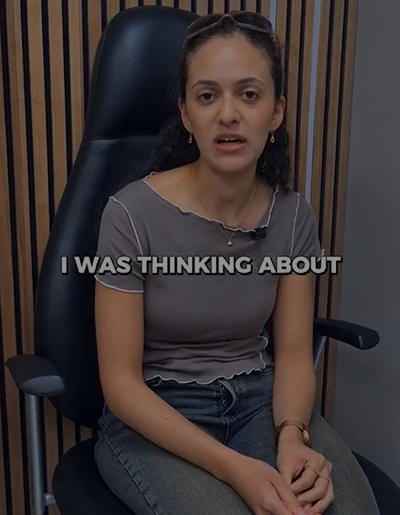
Amira
Laser Eye Surgery
“My questions were answered. I felt a lot more comfortable and I didn’t feel like I was ever rushed or pressured into making the decision.”

Sharon
Laser Eye Surgery
“I thought that was it… And once I saw him — oh my God, it was like… I said to him, you’re like my guardian angel. Because I just felt safe. I actually felt safe in his hands.”
For suitable patients, Retinitis Pigmentosa care aims to support remaining vision, manage associated eye health concerns and improve quality of life. While outcomes vary from person to person, potential benefits may include:
The benefits of treatment depend on the stage of your condition, your individual response and the approach recommended. TES is not a cure for RP, and outcomes can differ between patients. Some may experience functional improvements, while others may benefit from a focus on stabilisation or supportive management. Following a detailed assessment, your specialist will discuss what may realistically be achievable in your case.
TES may be suitable for some patients with a confirmed diagnosis of Retinitis Pigmentosa who still have measurable retinal function. It may be considered for people experiencing symptoms such as night blindness, reduced peripheral vision or tunnel vision, particularly where they are looking to understand whether any supportive treatment options may be appropriate.
As RP can be linked to many different genetic changes, not everyone responds to treatment in the same way.
TES may be considered if you:
A detailed consultation at The Harley Street Eye Centre can help determine whether TES is appropriate for your circumstances.
From your initial consultation through to aftercare, the team at The Harley Street Eye Centre aims to make the treatment process clear, supportive and tailored to your individual needs. Here is what you can expect throughout the treatment process.
01
Getting started is straightforward. You can contact our clinic by phone, email or book your complimentary consultation online, and our team will guide you through the next steps.
Before your appointment, we may ask a few initial questions about your symptoms, diagnosis, family history and any previous assessments or treatments. This helps us prepare for your consultation. Same-day appointments and flexible consultation availability may also be offered where possible.
02
You will meet with one of our experienced eye specialists for a detailed consultation to review your symptoms, retinal health, medical and family history, and previous Retinitis Pigmentosa treatment.
Eligibility for TES is assessed over two clinic visits, approximately one week apart, using retinal imaging, TES treatment sessions and assessment of changes in night vision, contrast sensitivity, brightness, colour perception, visual acuity and peripheral awareness. If consistent improvement is observed, your specialist will discuss whether ongoing TES therapy may be suitable.
03
Following your eligibility assessment, your specialist will explain the findings and discuss whether ongoing TES therapy is appropriate for you. You will receive clear guidance on your treatment response, expected benefits, limitations, home-use device options, ongoing therapy, costs and next steps.
Your treatment plan will be tailored to your stage of Retinitis Pigmentosa, remaining retinal function, treatment response and long-term visual needs.
04
If you are suitable for treatment, ongoing TES therapy may be provided through regular clinic sessions or a home-use device, with training and support to help you use the device safely and confidently.
Following treatment, we provide structured follow-up care to monitor your response, retinal health and visual function, with regular reviews, guidance on device use, adjustments to your care plan where appropriate, and ongoing support from our clinical team.
TES is a non-invasive therapy that is generally well tolerated when recommended following careful eligibility assessment and delivered under appropriate clinical guidance. However, as with any treatment, it is important to understand its limitations, suitability requirements and what it can realistically achieve before proceeding.
Depending on your diagnosis, stage of RP and individual response, important considerations may include:
Your specialist will discuss the potential benefits, limitations, risks and likely treatment course relevant to your circumstances during your consultation. The aim is to ensure you have clear, realistic information so you can make a confident and considered decision about your care.
The TES eligibility assessment costs £600 and includes two clinic sessions. These sessions are used to assess your suitability for TES therapy and understand how your vision responds to treatment.
If ongoing TES therapy is recommended after your assessment, the cost of treatment will be discussed separately.
Your eligibility assessment may include:
If you proceed with ongoing TES therapy, your package may include:

Our team of experienced eye specialists combines decades of clinical expertise with a strong commitment to innovation, precision and patient-centred care. Founder and Medical Director, Mr Marwan Ghabra, is a highly experienced ophthalmic surgeon, medical leader and innovator with more than 30 years of clinical and surgical experience.
Mr Ghabra is widely recognised for his work in corneal disease, keratoconus, cataract surgery and advanced refractive procedures, with particular expertise in complex and high-risk cases.

At The Harley Street Eye Centre, advanced technology plays an important role in the diagnosis, treatment planning and management of retinitis pigmentosa. Our retinal imaging and functional testing help evaluate the retina, visual field and photoreceptor function to build a detailed understanding of your condition.

We believe confidence in treatment begins with clear communication, careful assessment and honest clinical advice, underpinned by transparency, safety and high standards of care.
Every patient receives a personalised evaluation based on their stage of Retinitis Pigmentosa and individual needs, with clear discussion of suitability, expected outcomes, limitations and available treatment options to support informed decision-making.

Mr Marwan Ghabra is the Founder and Medical Director of The Harley Street Eye Centre, where he leads a multidisciplinary team delivering advanced, consultant-led eye care across a wide range of ophthalmic subspecialties, particularly in corneal disease and keratoconus.
He is the developer of the “Ghabra Technique”, an innovative approach to keratoconus management designed to address both anterior and posterior corneal irregularities. Alongside his private practice, he continues to manage complex surgical cases within the NHS, contributes to ophthalmic innovation and clinical research, and remains actively involved in education as a lecturer, mentor and international speaker.

Something specific on your mind?
We’re one call away on 0203 968 2030.
Retinitis Pigmentosa is a group of inherited retinal disorders in which the light-sensing photoreceptor cells gradually deteriorate. This leads to progressive vision loss, typically starting with night blindness and loss of peripheral vision, and, over time, a narrowing of the visual field, often described as tunnel vision.
Yes, RP is an inherited condition caused by genetic mutations passed down through families. It can be inherited in several different ways, and more than 40 gene mutations have been linked to the condition. This is why family history and, in some cases, genetic testing can play an important role in diagnosis and understanding your individual prognosis.
There is currently no universal cure for RP. However, certain therapies such as TES aim to support retinal function and may help slow further progression, while supportive strategies and management of associated conditions can help preserve vision and quality of life.
RP often begins with difficulty seeing in low light or at night, followed by a gradual loss of peripheral vision. Over time, this can progress to tunnel vision, in which only central vision remains. Some people also notice difficulties with contrast, glare and, in later stages, colour perception.
RP is one of the more common inherited retinal conditions, though it remains relatively rare overall, affecting roughly one in 4,000 people worldwide. As it is progressive and often begins in childhood or early adulthood, its impact on vision can develop gradually over many years.
RP is diagnosed through a detailed assessment of your symptoms, retinal health and visual function. This may involve a dilated retinal examination, retinal imaging such as OCT and fundus autofluorescence, visual field testing, electrodiagnostic testing and, in some cases, genetic testing to identify the underlying mutation.
Early diagnosis enables closer monitoring and earlier consideration of therapies aimed at preserving remaining vision. Treatments that support retinal cells tend to work best while photoreceptors remain intact, so early assessment, monitoring, and genetic understanding can increase the chances of benefiting from current or emerging options.
The centre offers Transcorneal Electrical Stimulation (TES), a non-invasive therapy that uses gentle electrical currents to stimulate the retina and support retinal function. TES is offered following a structured eligibility assessment and, where suitable, can be continued through in-clinic or home-use therapy.
RP is a progressive condition that can lead to significant vision loss over time and, in some cases, legal blindness. However, the rate of progression varies considerably, and many people retain some vision for many years. Therapies that aim to slow progression and supportive strategies can help preserve vision and independence.
TES is not a cure and does not restore lost vision. It aims to support retinal cell function and may help slow further deterioration, helping preserve remaining vision for longer. Results vary, with some patients noticing modest improvements in areas such as night vision or contrast, while others mainly experience stabilisation.
Yes, research into RP is ongoing. Approaches under investigation include gene therapy for certain genetic variants, stem-cell and cell-replacement therapy, and optogenetic or retinal prosthesis systems designed to bypass damaged photoreceptors. Eligibility for these depends on individual factors, including the specific gene mutation involved.
RP can be considered a disability, particularly as it progresses and begins to significantly affect daily activities and visual function. Many people with RP are eligible for registration as sight-impaired or severely sight-impaired, which can provide access to support services and practical assistance.
Many people with RP use low-vision aids and adaptive strategies such as magnifiers, strong-contrast lighting, mobility aids and consistent organisation of their environment. Rehabilitation and orientation support can help maintain independence and reduce the risk of accidents.
Regular monitoring is important to track progression, identify treatable complications such as cataracts and assess whether new therapies or options become appropriate. Many specialists recommend lifelong follow-up to support ongoing care and quality of life.
Your retinal treatment assessment is complimentary. An hour with our diagnostic team and a real conversation with the surgeon who would treat you. No obligation.